All about Astrophotography
An astrophotography website featuring stunning celestial images
Learn about the techniques and equipment used to capture the night sky
Discover the image processing methods that enhance these cosmic views
Insights and inspiration for all levels of astrophotography
Recent Images
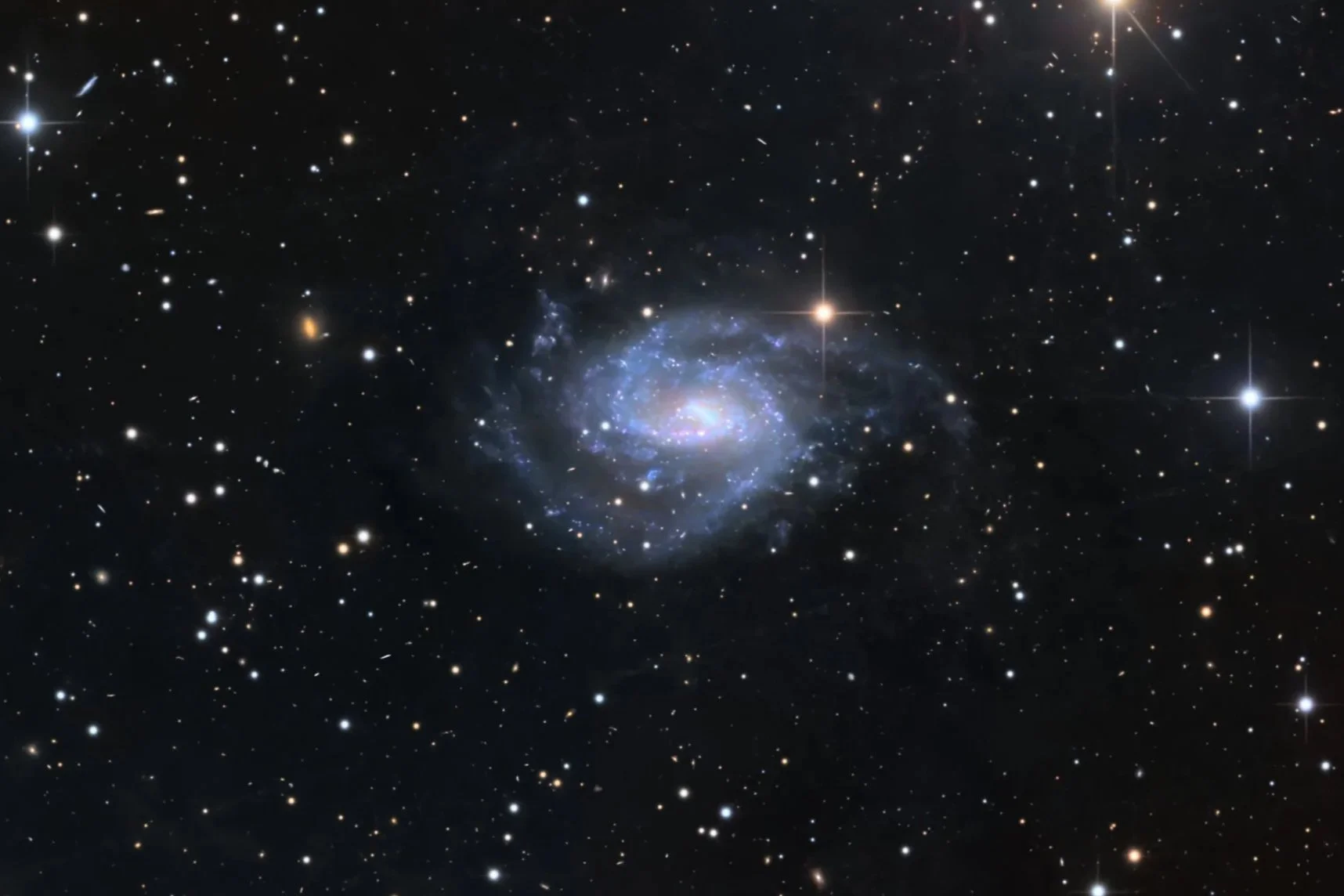
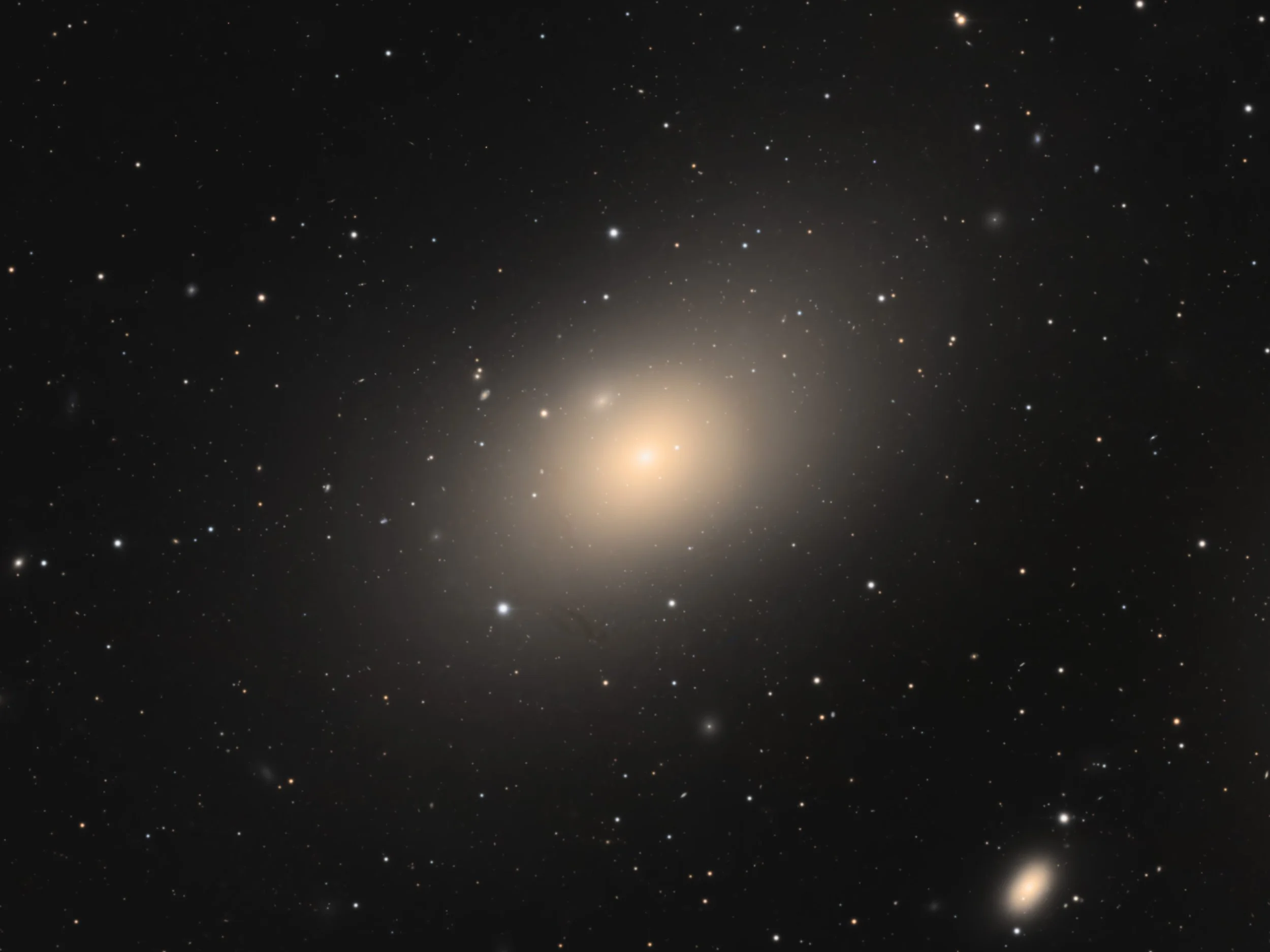
Messier 84, also known as NGC 4374, is a lenticular or elliptical galaxy located in the constellation Virgo. It was discovered by Charles Messier on March 18, 1781. M84 lies at a distance of approximately 60 million light-years from Earth and is one of the most prominent members of the Virgo Cluster, sitting near the heart of Markarian's Chain — an alignment of galaxies that includes M84, M86, and several NGC objects. M84 itself spans roughly 80,000 light-years in diameter and reaches an apparent magnitude of around 9.1.
Messier 91, also known as NGC 4548, is a barred spiral galaxy located in the constellation Coma Berenices. Due to an error in the recorded position made by Messier, this obejct has been referenced as a "missing Messier objects" for a long time. In 1969, amateur astronomer William C. Williams determined the systematic offset in Messier's recordings and allocated M91 unambiguously to NGC 4548. M91 lies at a distance of approximately 63 million light-years from Earth and is a member of the Virgo Cluster.
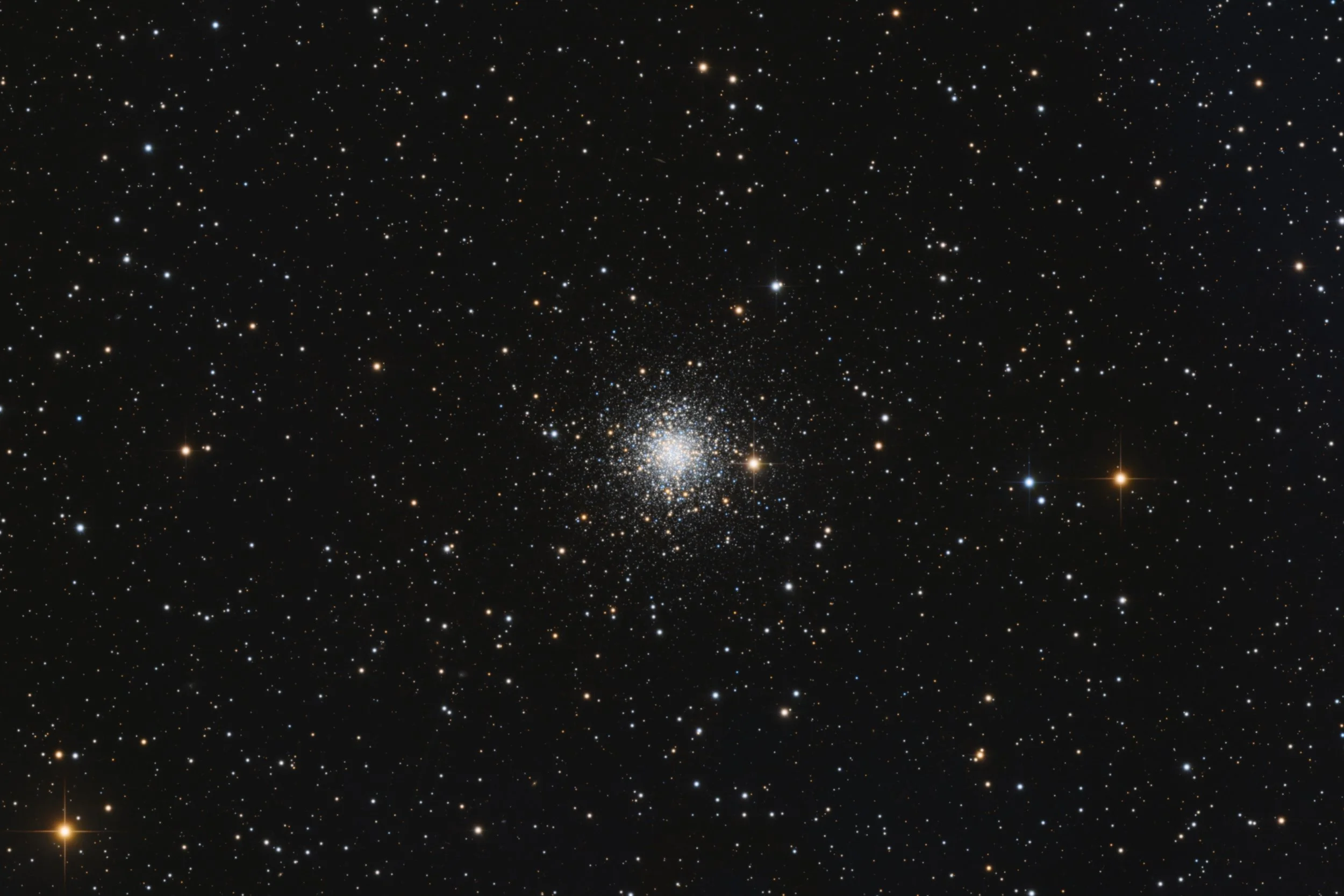
Messier 70, also known as NGC 6681, is a globular cluster located in the constellation Sagittarius. It was discovered by Charles Messier on August 31, 1780. M70 lies at a distance of approximately 29,400 light-years from Earth and spans a true diameter of roughly 68 light-years, making it one of the smaller and more compact globular clusters in the Messier catalogue.
Messier 54, also known as NGC 6715, is a globular cluster located in the constellation Sagittarius. It was discovered by Charles Messier on July 24, 1778. M54 lies at a distance of approximately 87,000 light-years from Earth, making it considerably more distant than most other globular clusters in the Messier catalogue. It spans a true diameter of roughly 150 light-years and reaches an apparent magnitude of around 7.6, making it a moderately bright but compact target that requires reasonable aperture to begin resolving into individual stars. What makes M54 especially notable is that it does not actually belong to the Milky Way. In 1994, astronomers determined that the cluster is in fact a satellite of the Sagittarius Dwarf Spheroidal Galaxy.
Messier 90 is a spiral galaxy located in the constellation Virgo. It was discovered by Charles Messier on March 18, 1781. M90 lies at a distance of approximately 59 million light-years from Earth and is one of the larger and brighter spiral galaxies in the Virgo Cluster. It spans roughly 130,000 light-years in diameter, making it somewhat larger than our Milky Way. Like M88, it is one of a small number of Virgo Cluster galaxies moving toward the Milky Way rather than away from it, but M90 stands out further for having an exceptionally high blueshift velocity, among the largest of any galaxy in the cluster.
Messier 83, also known as NGC 5236, is a barred spiral galaxy located in the constellation Hydra, near the border with Centaurus. It was discovered by Nicolas Louis de Lacaille on February 23, 1752, during an observing expedition to the Cape of Good Hope in South Africa, making it one of the few Messier objects first observed from the southern hemisphere. It was later catalogued by Charles Messier in 1781. The galaxy is commonly known as the Southern Pinwheel Galaxy. M83 lies at a distance of approximately 15 million light-years from Earth, and spans roughly 40,000 light-years in diameter. With an apparent magnitude of around 7.5, it is one of the brightest galaxies in the Messier catalogue. M83 is one of the most prolific supernova host galaxies known, with six confirmed supernovae recorded since 1923, among the highest count for any single galaxy observed.
Messier 22, also known as NGC 6656, is a globular cluster located in the constellation Sagittarius. It is one of the earliest globular clusters to be discovered, first noted by Johann Abraham Ihle in 1665. M22 lies at a distance of approximately 10,600 light-years from Earth. It spans a true diameter of roughly 100 light-years and has an apparent diameter of around 32 arcminutes, making it one of the largest globular clusters in apparent size as seen from Earth. It contains an estimated 70,000 to 100,000 stars and reaches an apparent magnitude of around 5.1, making it one of the brightest globular clusters in the sky.
Messier 93, also known as NGC 2447, is an open star cluster located in the constellation Puppis, in the same rich stretch of the winter Milky Way that contains several other Messier open clusters including M46 and M47. It was discovered by Charles Messier on March 20, 1781. M93 lies at a distance of approximately 3,600 light-years from Earth and spans a true diameter of roughly 25 light-years. It is estimated to be around 100 million years old, making it somewhat older than M21 or M47 but still a relatively young open cluster.
Messier 21, also known as NGC 6531, is an open star cluster located in the constellation Sagittarius. It was discovered by Charles Messier on June 5, 1764, during the same observing session in which he also catalogued M20, the Trifid Nebula, which lies only around 40 arcminutes to the northwest. The two objects lie at different distances and are therefore an optical rather than a physical pairing. M21 lies at a distance of approximately 4,250 light-years from Earth and spans a true diameter of roughly 13 light-years. It is a young cluster, estimated at around 4 to 5 million years old.
Messier 80, also known as NGC 6093, is a globular cluster located in the constellation Scorpius. It was discovered by Charles Messier on January 4, 1781. M80 lies at a distance of approximately 32,600 light-years from Earth, placing it in the inner regions of the Milky Way and relatively close to the galactic centre.M80 holds a notable place in astronomical history as the site of a recorded nova in 1860, designated T Scorpii. At its peak it briefly became bright enough to be visible to the naked eye and was for a short time the brightest star in Scorpius, making it one of the most dramatic nova events observed within a globular cluster in the 19th century.
Messier 88, also known as NGC 4501, is a spiral galaxy located in the constellation Coma Berenices and member of the Virgo Cluster. It was discovered by Charles Messier on March 18, 1781. M88 lies at a distance of approximately 47 million light-years from Earth and is roughly 120,000 light-years in diameter. M88 is notable for being one of the few Messier objects with a confirmed blueshift, meaning it is moving toward the Milky Way rather than away from it, a consequence of its motion within the gravitational environment of the Virgo Cluster overcoming the general expansion of the universe.
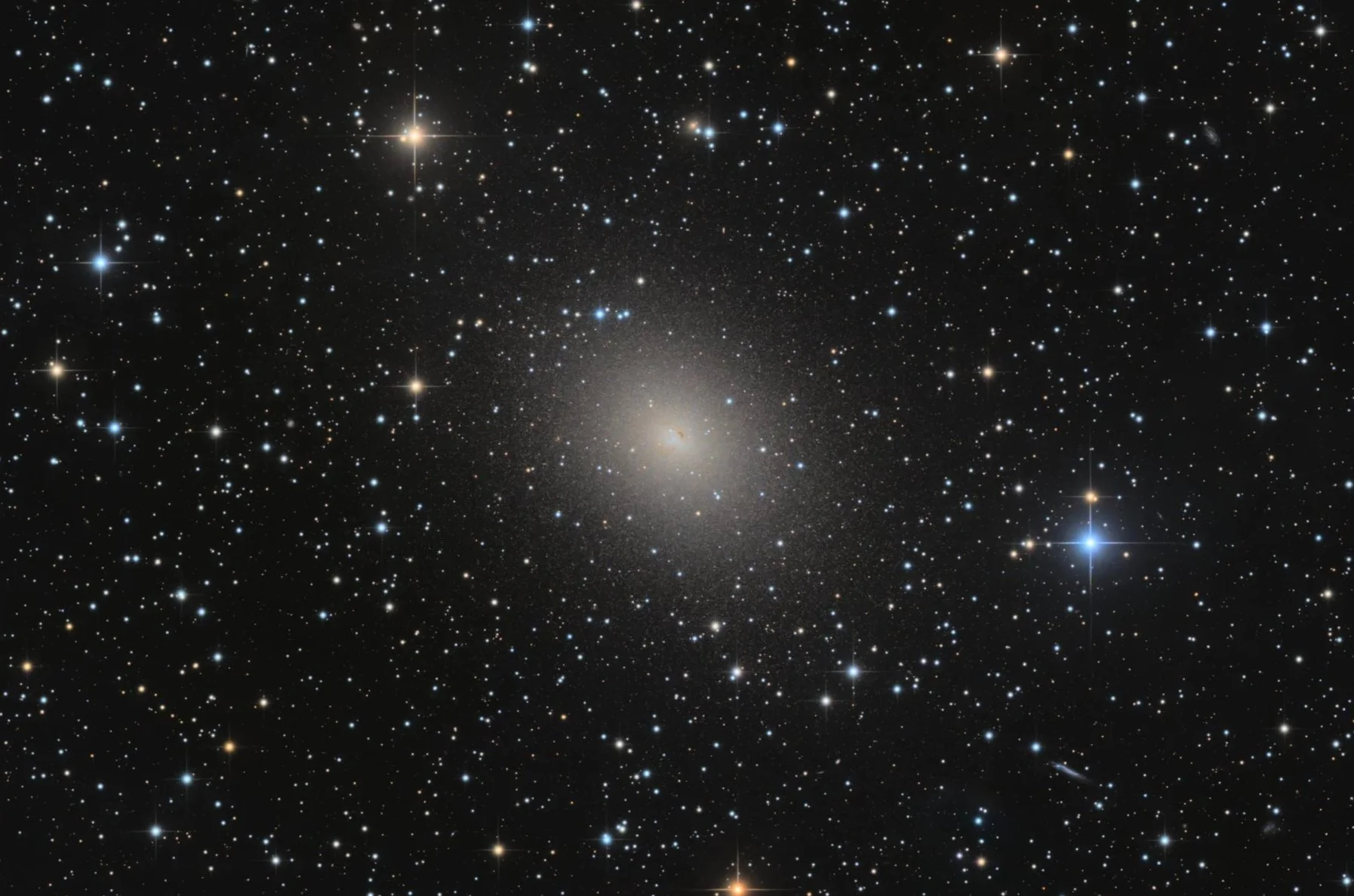
Messier 49 (NGC 4472) is an elliptical galaxy located in the constellation Virgo. It was discovered by Charles Messier on February 19, 1771, making it the first member of the Virgo Cluster to be catalogued. M49 lies at a distance of approximately 56 million light-years from Earth and is the brightest galaxy in the Virgo Cluster, outshining even the famous M87 in total luminosity. The galaxy spans roughly 160,000 light-years in diameter, making it significantly larger than the Milky Way, and it contains an estimated one trillion stars. The galaxy is also listed in the Arp Catalogue of peculiar galaxies as Arp 134
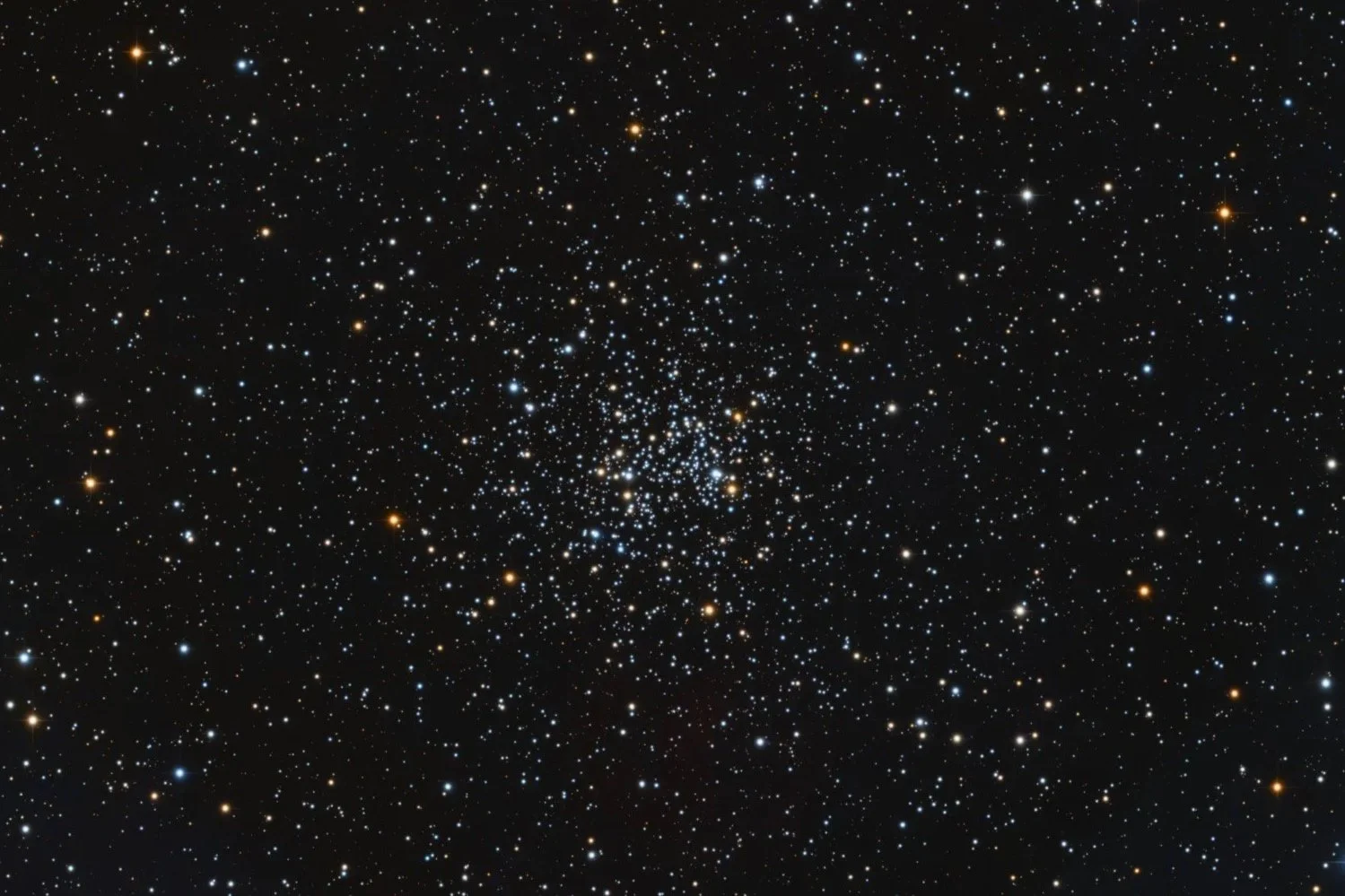
Messier 47, also known as NGC 2422, is an open star cluster located in the constellation Puppis. M47 lies at a distance of approximately 1,600 light-years from Earth and spans a true diameter of roughly 12 light-years. It is a relatively young cluster, estimated at around 78 million years old, and contains approximately 50 to 80 stars, several of which are bright enough to be seen with the naked eye.
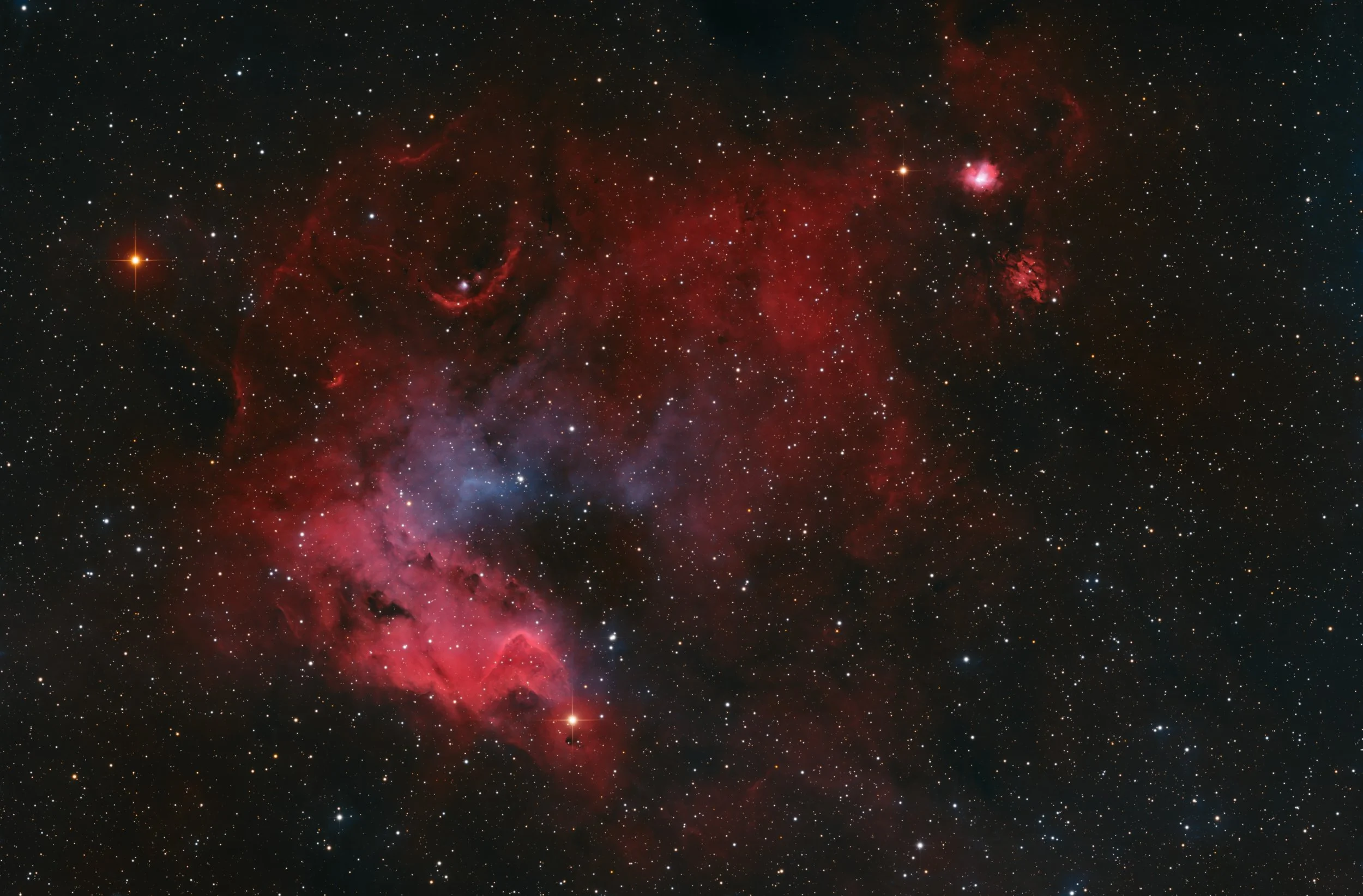
Sh2-140 is an emission and reflection nebula located in the constellation Cepheus, near the border with Lacerta. The nebula lies at a distance of approximately 2,900 light-years from Earth. The illuminating source is a hot young star designated HD 211880, whose ultraviolet radiation ionises the surrounding gas and drives the characteristic emission glow. The visible nebula spans roughly 10 light-years across.
Recent Blog Posts
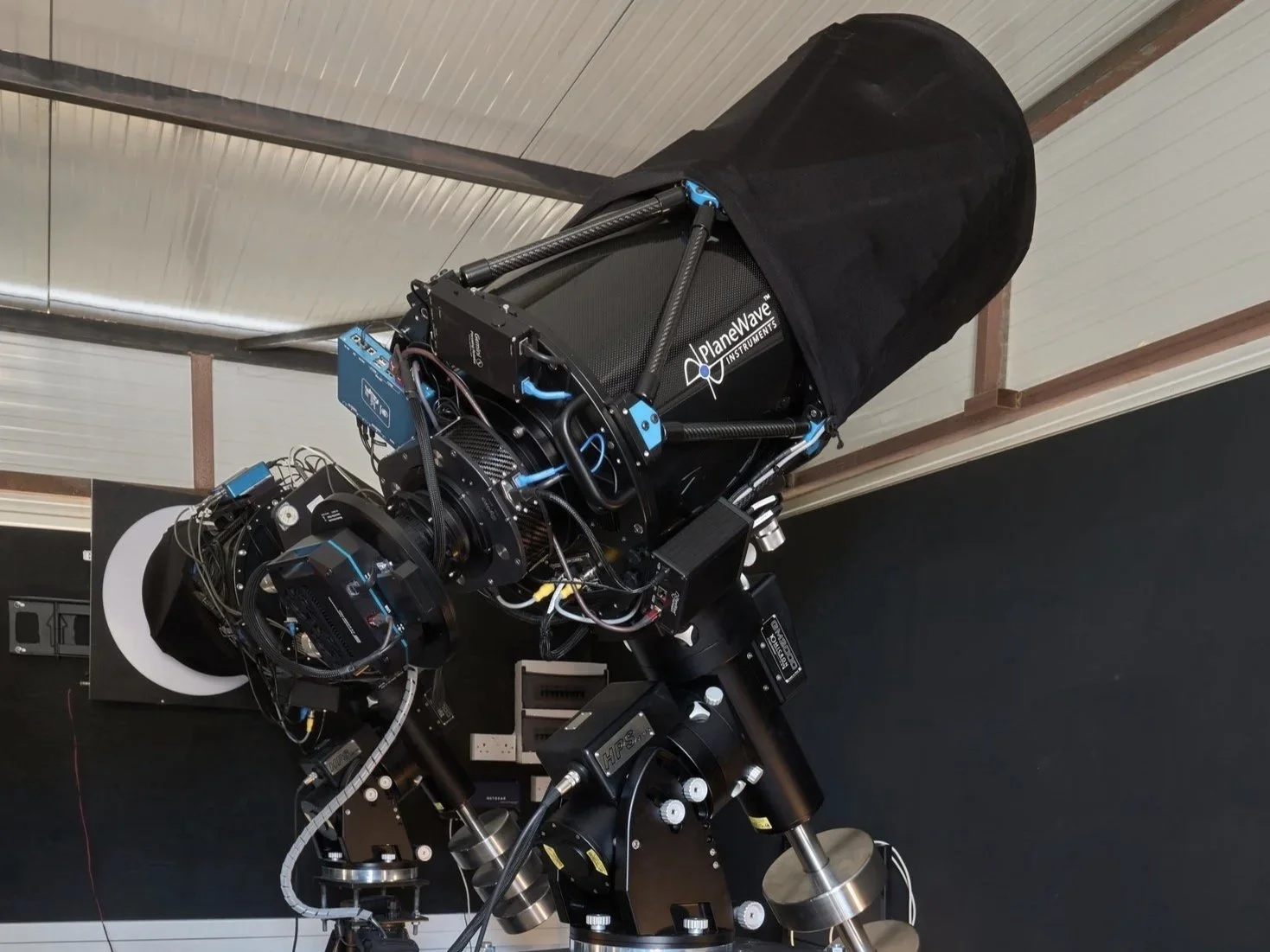
Two years ago I installed my rig for the first time at a remote hosting site. Now the site closed and I had to move. I found a great spot at Roboscopes but still had to move the rig. Read here the story about the move from one remote hosting site to another.
During a Messier Marathon, all 110 objects from the Messier catalogue need to be observed and/or photographed within one night. Read in this blog about my attempt to do this as an astrophotographer. Read about the planning, the endurance and the processing. Hopefully it will help and inspire others to make similar attempts.
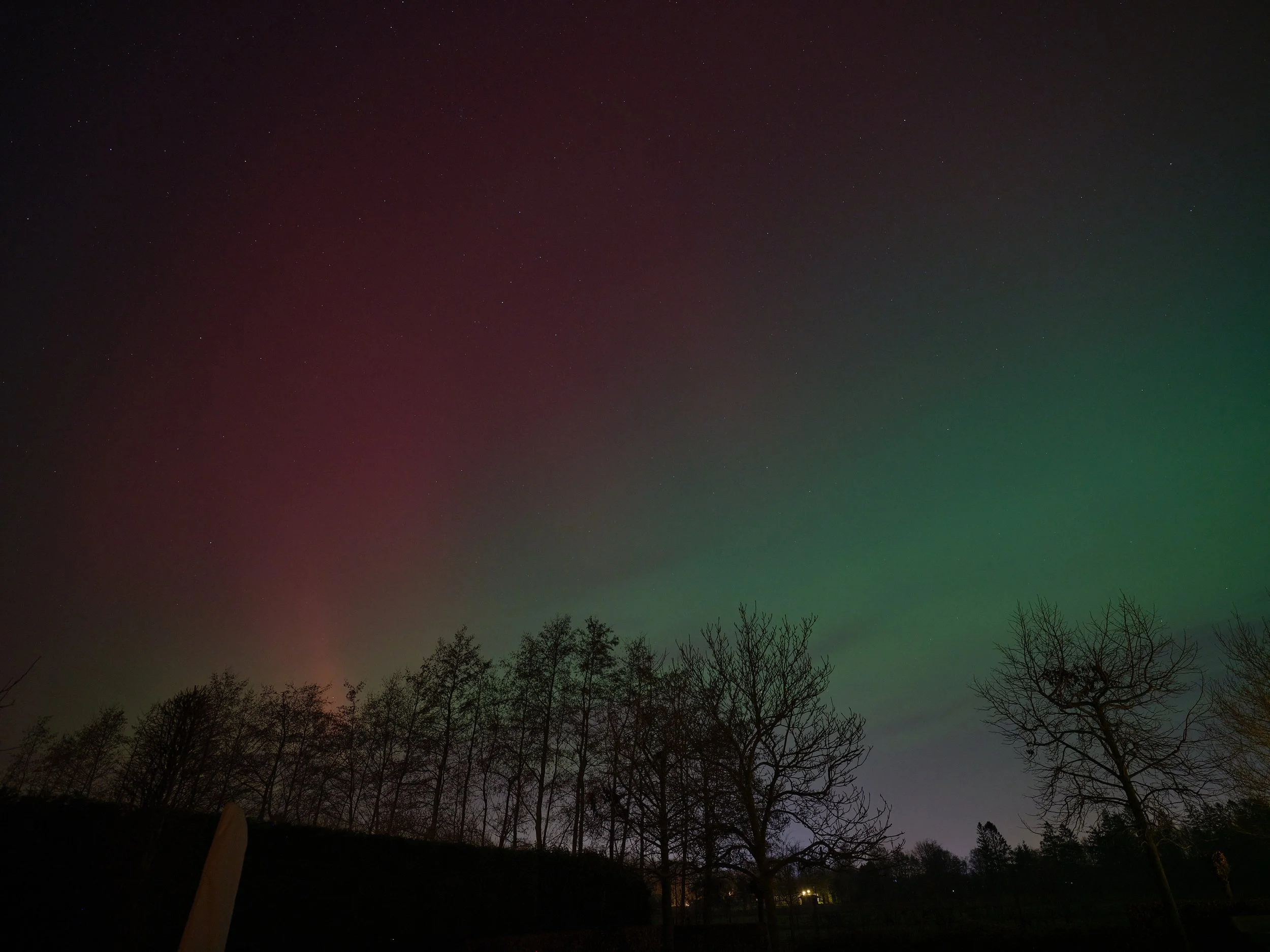
On 19 January 2026 the Northern Lights could be observed from Groningen, The Netherlands. It is not often that we see this phenomenon at this latitude, so a perfect opportunity to make some shots and a video with some time lapses.
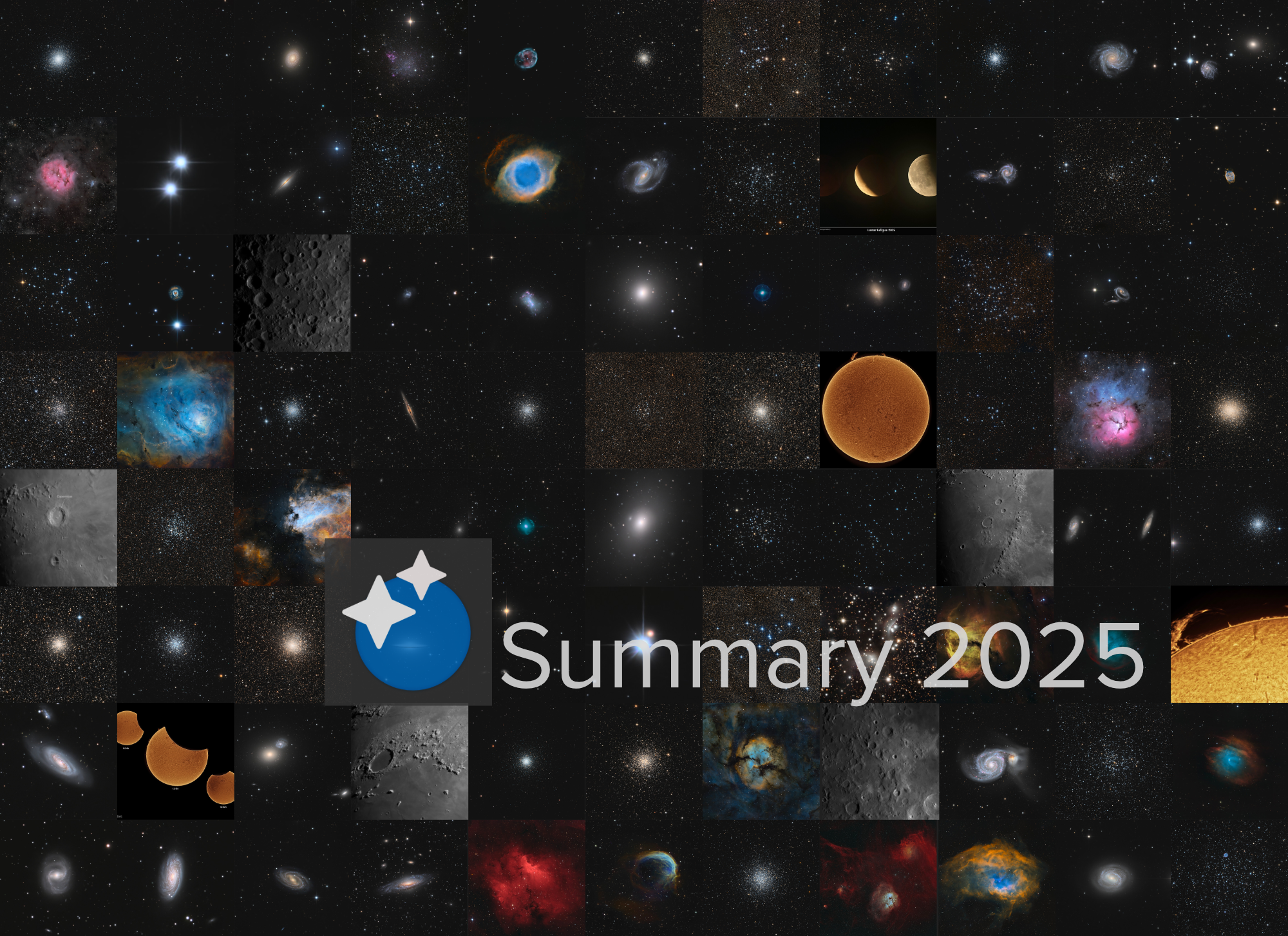
The year 2025 was by far my most productive astrophotography year ever. A total of 76 deep sky objects were completed, as well as several lunar and solar images. Check out this blog for the details.
A recently discovered supernova, SN 2025rbs, was accidentally photographed in one of my images. This supernova is one of the brightest currently visible. It is a Type Ia supernova. A type Ia occurs when a small white dwarf in a double-star system accretes so much mass from its big neighbour, that in the nucleus of the dwarf carbon fusion can start. As soon as it does, it causes the dwarf to explode into a supernova, leaving behind a neutron star.
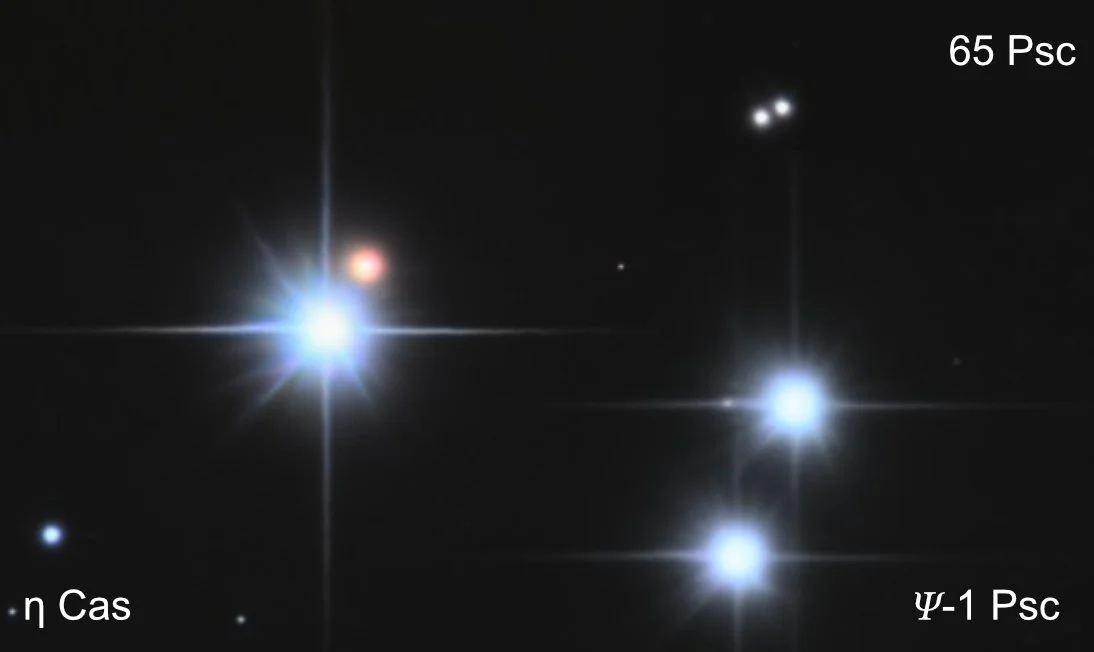
Double stars are among the rarer objects to photograph. Still, it’s fun to try capturing two close stars and have them split by carefully adjusting exposure and processing. In this blog, I show how I photographed three of them.
Here you'll find links to advanced PixInsight tips used to create the images on this site. Each link leads to the specific image with a detailed, often step-by-step, explanation of the method. This page serves as a reference to help you find the relevant pages and examples quickly. The list is updated each time new techniques are being described.
It has been just over a year since I installed one of my telescopes at a remote hosting observatory in Spain. Time to look back and making up te balance. Did it deliver on its promises?
Changes have been made to this website in the images section. In a more compact design, the focus is more on the images itself and information around the images can easier be found.
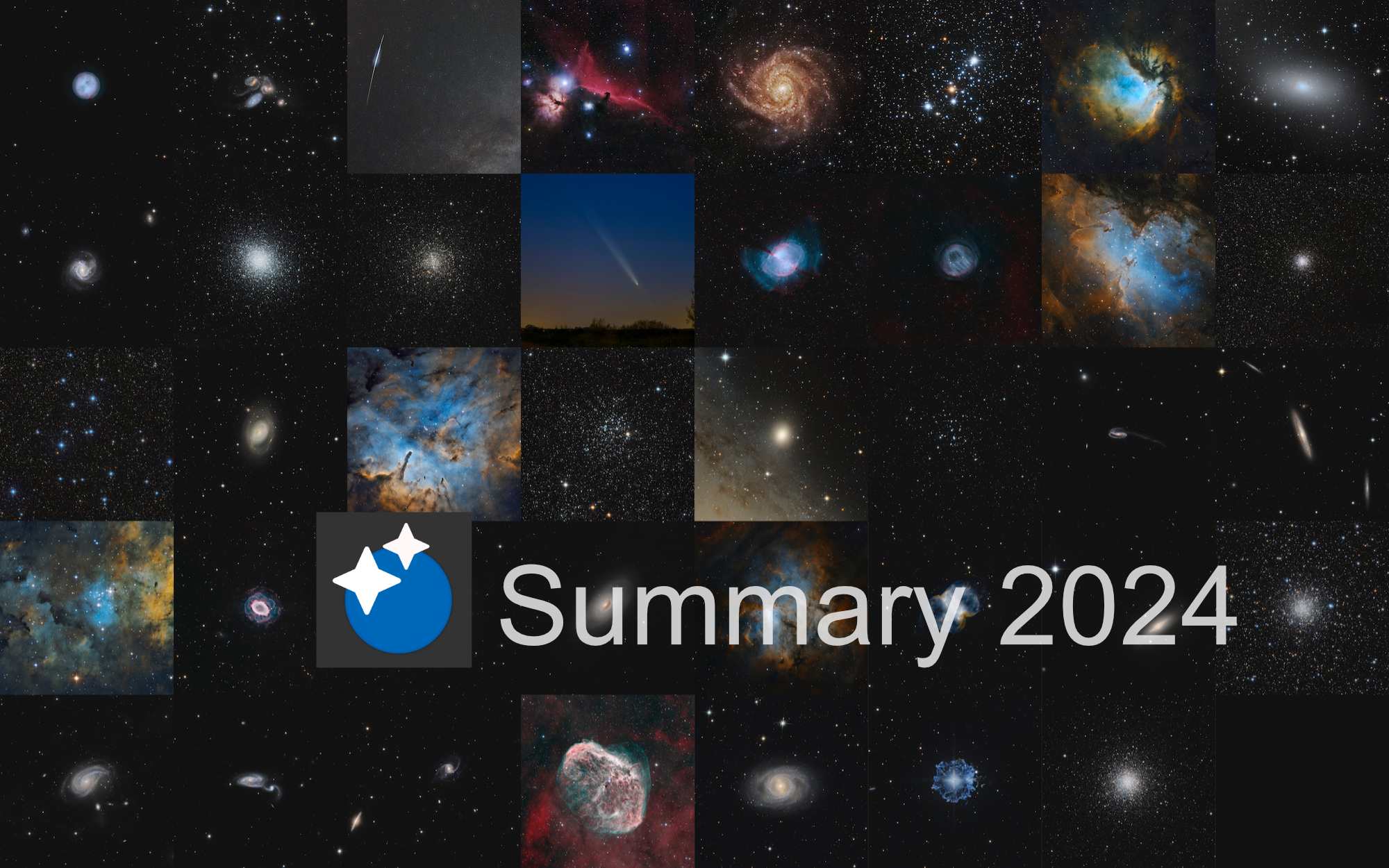
The year 2024 marked a significant change in my astrophotography hobby, by moving one of my setups to a remote hosting facility in Spain. This resulted in an almost 10-fold increase in activity and 39 published images. Check out this blog for the details.
PixInsight, the leading image processing software in astrophotography , has released a new version, 1.9, called Lockhart. This update brings many new features and improvements to simplify astrophotography image processing.
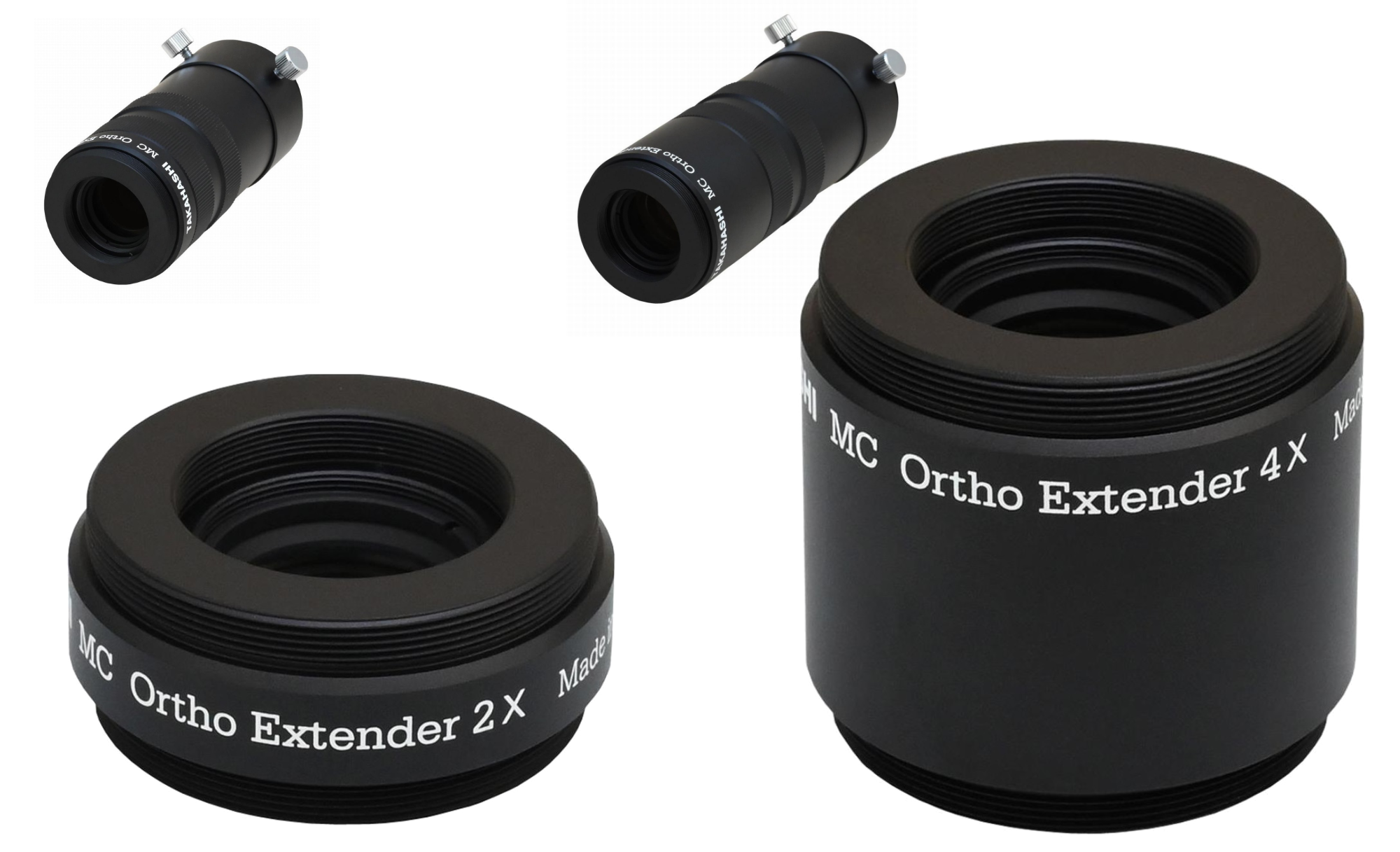
Takahashi has launched two Ortho Extender sets (2x and 4x). They are compatible with most Takahashi telescopes and serve as alternatives to Barlow lenses for viewing or imaging the moon, sun, and planets.
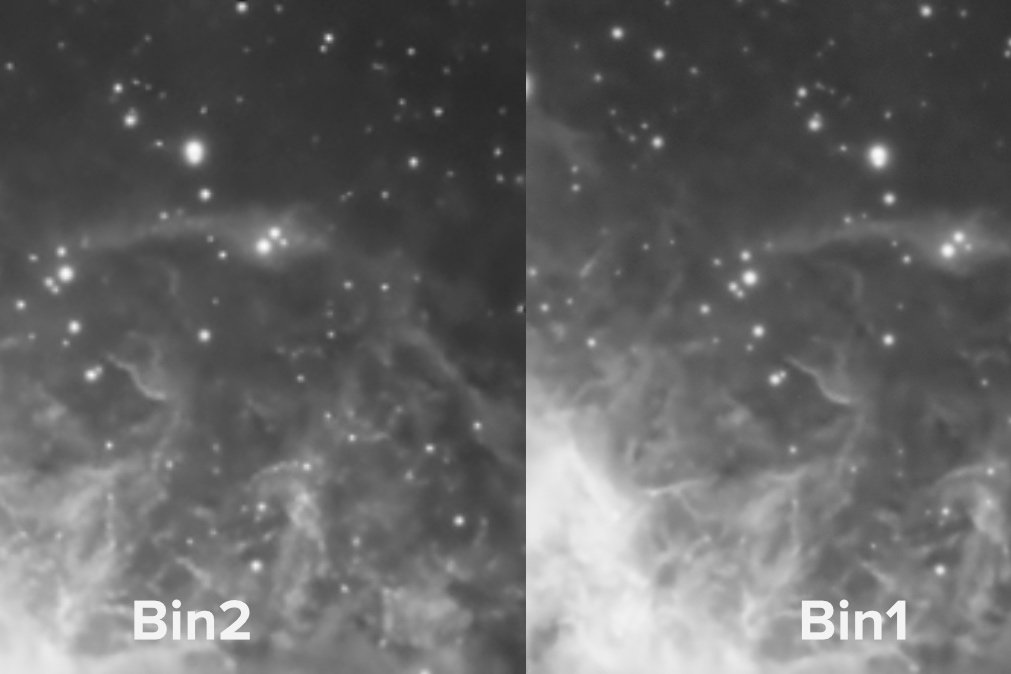
My system at the remote observatory is highly over-sampled. How bad is that, and does it make sense to bin the data? This blog will answer those questions, based on a recent image of the Crescent Nebula. This also allowed a comparison with historic and properly sampled data.
Takahashi just released a new telescope. It is a compact 400mm f/6.2 triplet scope, that can be reduced to a 260mm f/4.0 imager. The scope is designed for astrophotography.
Astrobin, the well known hosting site for astro images, just started a Marketplace. Any Astrobin user can list his/her astrogear that is for sale.
Featured posts
Here you'll find links to advanced PixInsight tips used to create the images on this site. Each link leads to the specific image with a detailed, often step-by-step, explanation of the method. This page serves as a reference to help you find the relevant pages and examples quickly. The list is updated each time new techniques are being described.
It has been just over a year since I installed one of my telescopes at a remote hosting observatory in Spain. Time to look back and making up te balance. Did it deliver on its promises?
Changes have been made to this website in the images section. In a more compact design, the focus is more on the images itself and information around the images can easier be found.
Images
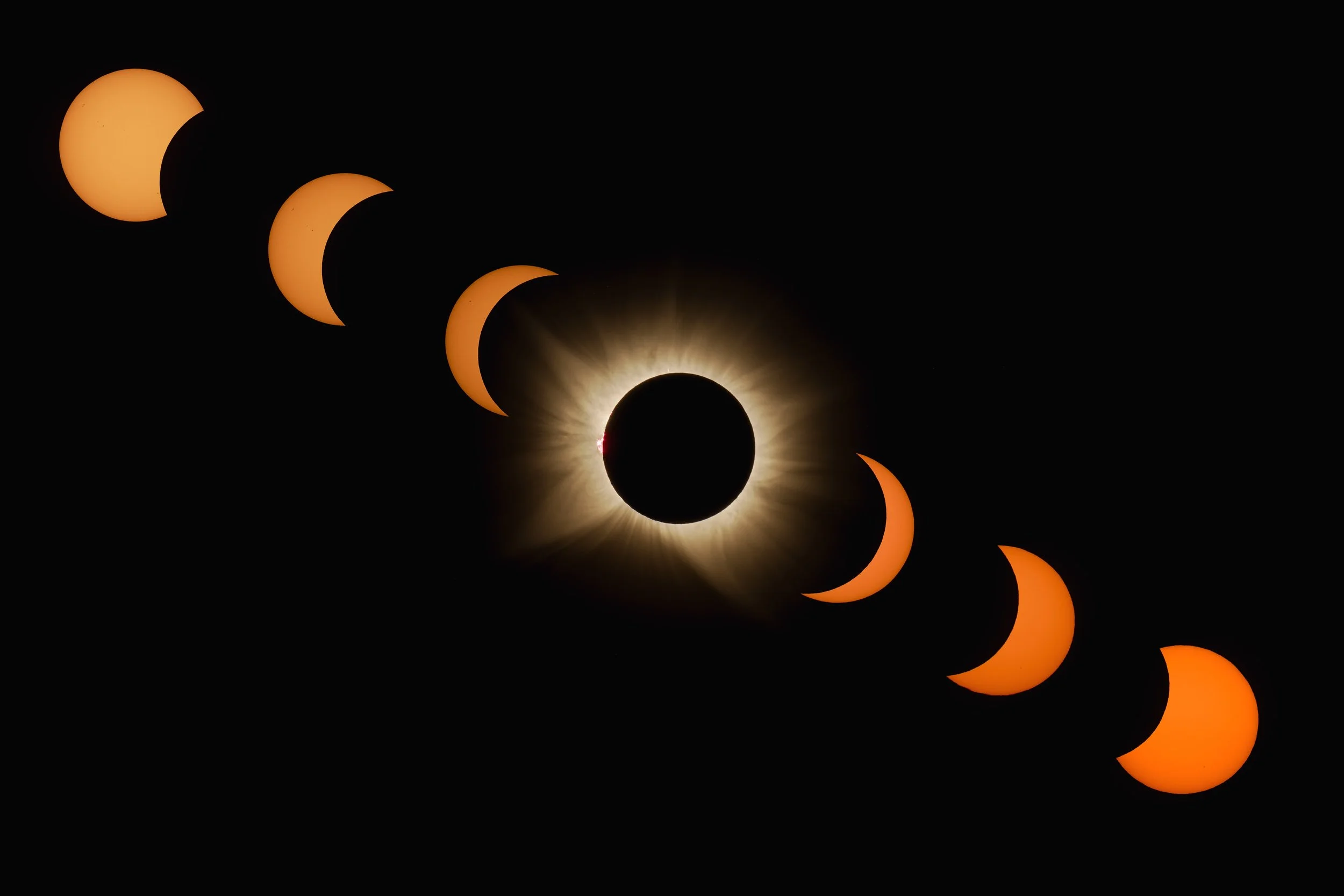
This is what it’s ultimately all about, images of the night sky. Most are deep-sky objects, such as nebulae and galaxies. But there’s also place for objects from our solar system, such as planets and comets. Each image will have a short description of the object, as well as detailed information on capturing and processing.
Observatory
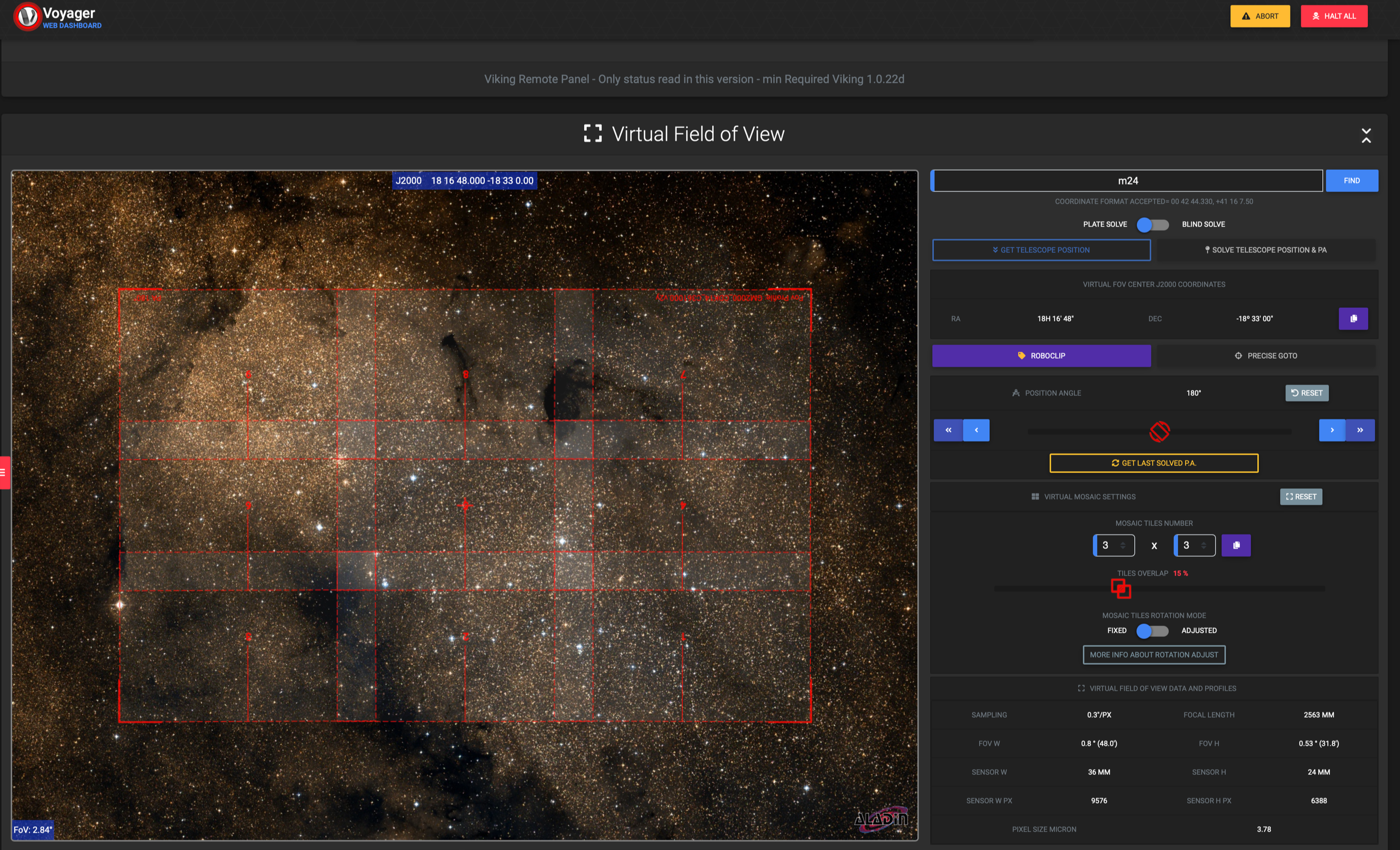
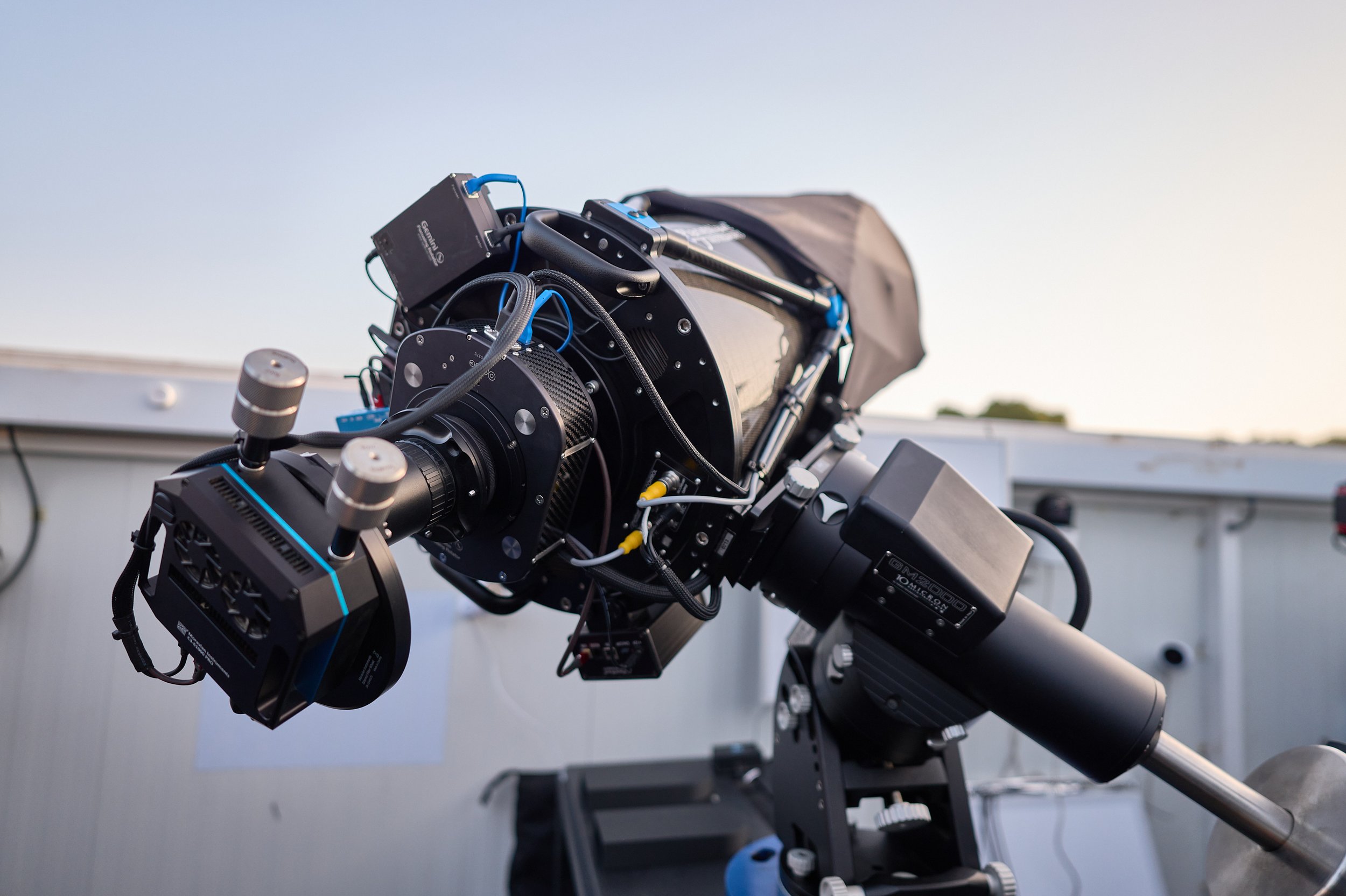
Most of the images are captured from the backyard observatory (a.k.a. garden), using a mobile setup. In this section you will find detailed information on the equipment used, practical details on the way it is setup, and the command and control systems that allow the system to run throughout the night, unsupervised.
Blog
Astrophotography involves many challenges related to the technical aspects of a high-precision instrument, the endurance of hours and hours of exposures, and bringing the images to life in processing. In this blog you will find tips, tricks and general experiences. Read just for fun, to learn or to get inspired.
Contact
It would be really great to hear from you! Feedback, comments, questions, just leave your name, email and message here, and I will get back to you shortly.


Messier 86, also known as NGC 4406, is a lenticular or elliptical galaxy located in the constellation Virgo. It was discovered by Charles Messier on March 18, 1781. M86 lies at a distance that has been the subject of some debate, with estimates ranging from around 52 to 60 million light-years. It is one of the largest and most luminous galaxies in the cluster, spanning roughly 135,000 light-years in diameter, and reaches an apparent magnitude of around 8.9, making it marginally brighter in appearance than its near neighbour M84, with which it is imaged together here. Like M88 and M90, M86 is one of the relatively rare galaxies that exhibits a blueshift rather than a redshift, indicating it is moving toward the Milky Way.